


OCTIS Transition Promotion 2026: up to 30% off your current accounting, audit, company secretary and tax fees. Closes 31 December.. Ends in --d --:--:--.WhatsApp
Lowest price guaranteed

Found a genuine quote? We beat it by at least 10% — see conditions. Every service also carries a 30-day money-back guarantee.

OCTIS • AI and automation

The task you keep meaning to fix, finally handled

Walk us through how the task really gets done today. We tell you plainly which parts are worth automating, and our own build team builds only those.

  • We say plainly which tasks should stay with a person
  • Built where your records already live, so there is no extra platform to buy and connect
  • A case that does not fit the rule is flagged and reaches a person
A smiling woman at a laptop showing a workflow diagram, with a calculator and charts

Why OCTIS

A woman and a man at a desktop computer with Otty, the OCTIS mascot, between them

We check before we build

Every task goes through four questions: is the same decision made the same way every time, can it be written as a rule, does it happen often enough, and does the information already exist. Most tasks that feel repetitive fail at least one.
A laptop on a desk showing an AI integration screen, with a phone and a plant beside it

Built inside your records

When your deals, invoices and tasks already live in your OCTIS account, the rule reads and writes those same records. It is not a copy pulled through a connector that someone has to keep working.

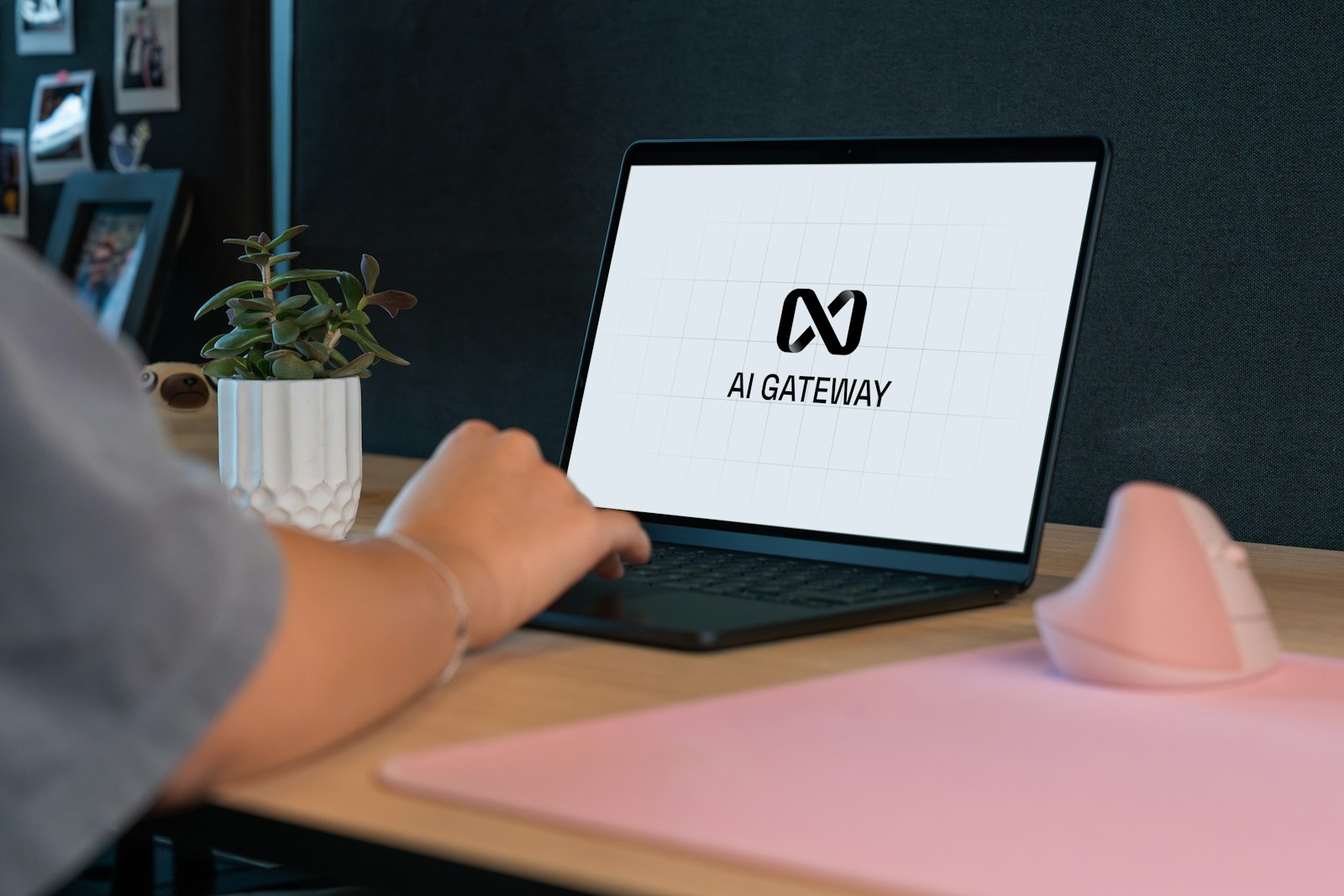
A person typing on a laptop showing an AI gateway screen at a wooden desk

The exception reaches a person

A case that does not match the rule is flagged, not forced through. The routine case is handed off without anyone touching it, and the odd one still gets a person to decide it.

A laptop screen showing an AI assistant's examples, capabilities and limitations

Our own build team does the work

Mapping, building and connecting the rule is done by OCTIS's own build team, working inside the account that holds your records. No separate platform sits in between.

A laptop on a wooden desk showing a page about optimising language models, beside a coffee cup

Honest about what stays by hand

A task you only do a handful of times a month is usually cheaper left as a habit than built and kept running as a system. We say so instead of building it anyway.

A plan that fits everyone

A man in a green shirt working at a laptop with a monitor behind him

Owners who retype the same thing

You copy it by hand, retype it into another screen, and do it the same way, mostly. Walk us through it and we tell you whether it is worth building.

A whiteboard covered in orange and blue sticky notes in columns

Teams with steps that repeat daily

Daily or weekly tasks, where the minutes really add up, are the ones that clear the test most often.

A whiteboard with a weekly schedule grid and small coloured notes

People unsure what to automate first

You know the week is full of manual steps but not which ones count. We check each against four questions and rank what qualifies.

What you get from us

From the first walkthrough to a rule that runs, you receive:

  • The task mapped as it really happens today, exceptions included
  • The task checked against the four qualifying questions
  • A plain answer on which parts qualify and which should stay by hand
  • A rule built only for what qualifies, inside the account that holds your records
  • A flag on any case that does not fit the rule, so a person decides it
  • A fixed number once the mapping shows what qualifies, never before
A laptop with code on screen on a wooden desk, beside a plant, a mug and a yellow note

HOW IT WORKS

From the task as it happens to a rule that runs, in four steps

A man writing in a notebook at a cafe table, a phone and a cup beside him
01

You walk us through the task

As it really happens today, exceptions included. This is your time and most of the real work.

A man placing a yellow sticky note on a glass wall covered in notes
02

We check it against four questions

Same decision, written as a rule, often enough to matter, and backed by information that already exists.

A woman high-fives Otty, the OCTIS mascot, as a man with a tablet looks on
03

We tell you what qualifies

Including the parts that do not. A task done a few times a month is usually cheaper left as a habit.

A laptop showing code on a desk beside a phone and an orange toy
04

We build only what qualifies

Inside the account already holding the records it touches, not a separate tool bolted on afterwards.

Not sure a task is worth automating?

Describe it as it really happens. We tell you plainly whether it is worth automating, and if it is not, we say that too.

The rest of your IT, from the same team

Custom software, landing pages and managed IT support are built and run by OCTIS's own IT team.

WHAT YOU BRING

What we need from you

1A walkthrough of the task

How it really gets done today, step by step. This is the part that takes real time, and it is yours.

2The exceptions

The cases that do not follow the usual pattern, and why. A rule that has never met them will get them wrong.

3A task that repeats often

Daily or weekly, where the minutes add up. A handful of times a month rarely clears the test.

FAQ

Can every repetitive-looking task be automated?

No. A task qualifies only if the same decision is made the same way every time, it can be written as a rule a stranger could follow, it happens often enough to matter, and the information it needs already exists. Most tasks that feel repetitive fail at least one of those, and automating one anyway just hides the judgement call instead of removing it. We check every task against these four questions before building anything.

How much of my own time does the mapping take?

Most of it. Walking through exactly how the task happens today, exceptions included, is your time, not ours, and it is usually the bulk of the real work before anything is built. We use that walkthrough to check the task against the four questions.

What if I only do the task a few times a month?

Then it is probably cheaper left as a habit than built and kept running as a system. We say so rather than build it anyway.

Does automation remove the need for judgement on exceptions?

No. Automation only replaces the mechanical part of a task. A case that does not fit the rule still needs a person to decide it. We build the rule to flag the exception rather than force it through, so it still reaches a person.

What decides the cost of an automation project?

What the mapping finds: how many exceptions exist, how many systems the rule needs to read from, and how much of the process clears the four questions. We give a fixed number once the mapping shows which parts qualify, and no figure is quoted before that.

Who is responsible if an automated rule makes the wrong call?

The business. An action taken in a business's name, including one carried out by an automated rule on its behalf, is generally treated as the business's own act, and responsibility does not shift onto the tool. That is why we only automate decisions that clear the four questions and leave genuine judgement calls with a person.

Chat with us on WhatsApp
    AI and Automation for Malaysian Businesses: Which Tasks Are Worth Automating | OCTIS