Scoped from how you really work
You describe the job as it happens today, the exceptions and the spreadsheet gluing it together, not a feature list. We write down what it must do before anything is built.
OCTIS HK • Software development
We scope it from how your work really runs, build it inside the account that already holds your accounting and customers, and hand it over documented.

You describe the job as it happens today, the exceptions and the spreadsheet gluing it together, not a feature list. We write down what it must do before anything is built.

It is built inside the same account as your accounting and customers, so it reads the real record instead of a copy. Update a record once and the tool sees the same version.
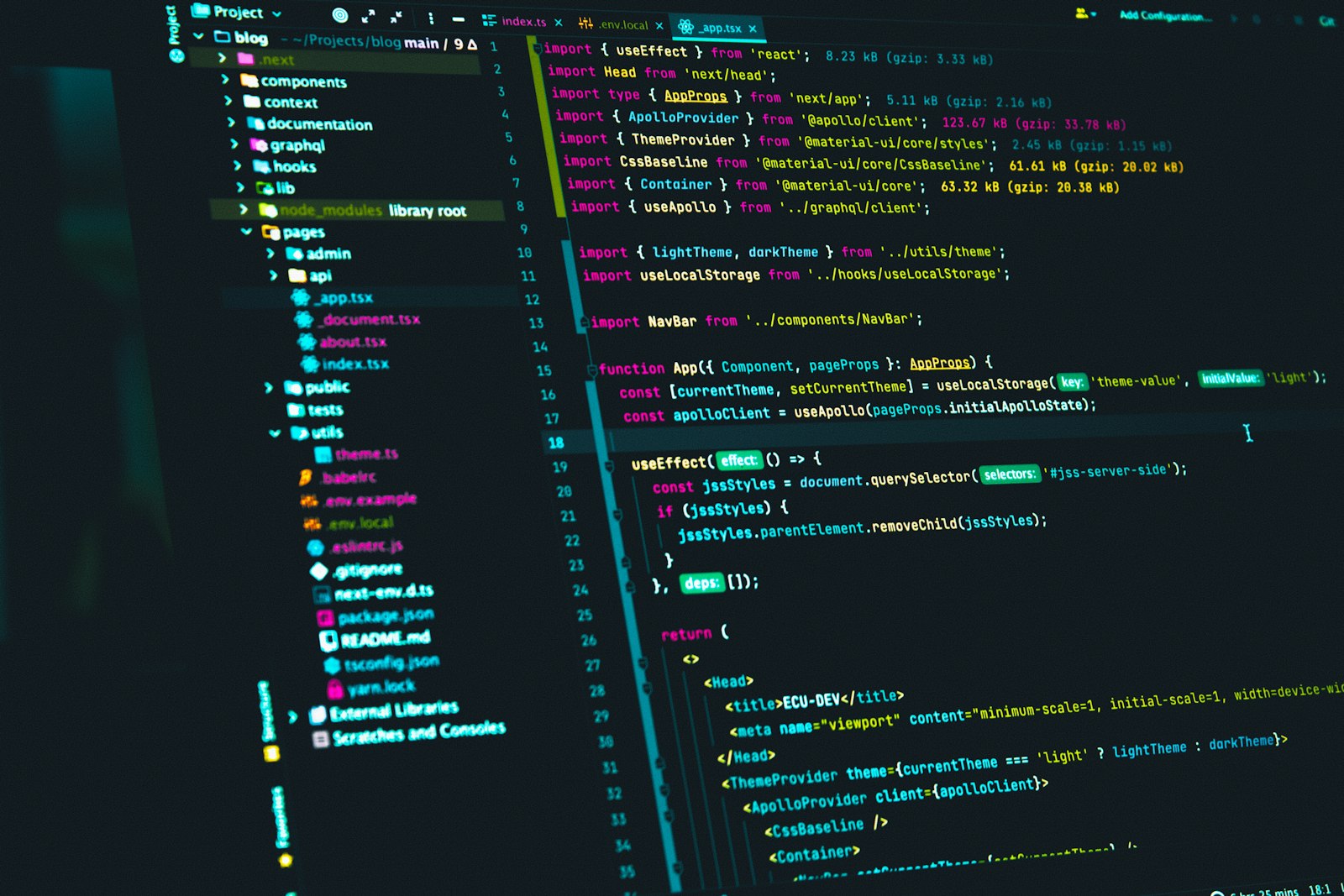
We build in stages and show working screens as it takes shape, so a wrong turn gets caught before it is built, not after the invoice.
We hand over all three, documented, so you are never locked into a system only we can maintain.

If an existing tool already covers most of what you need, buying it is cheaper and faster than commissioning something custom. We say so, even though a custom build pays us more.

When spreadsheets and generic apps stop keeping up, you need software that fits your process, not one you bend your business to fit.

You paid to build it and somebody still retypes the numbers. A tool built inside the same account reads them for itself.

Dashboards, records and actions your team uses every day. We start by understanding the work in plain terms, no jargon.
From the first description of the job to a tool that is yours, you receive:
HOW IT WORKS

The process, the exceptions and the spreadsheet or tool gluing it together today. Not a feature list.

A fixed-scope project with an agreed price and timeline, or a dedicated team on a monthly retainer. The number exists once the shape does.

Working screens early, so a wrong turn is caught before it is built. Open questions sent back to you move the timeline most.

Bugs found in the first 90 days are fixed at no extra cost. A new feature is a new quote, not a warranty claim.
Tell us how the work happens today. We tell you honestly whether a custom build fixes it, or whether something off-the-shelf already would.
Automation, an app for your customers and managed IT support come from OCTIS's own IT team.
WHAT YOU BRING
How it happens today, exceptions included, rather than a feature list.
The customer list, price list or stock count that holds the true version. Data that was never kept still has to be collected before a tool can read it.
A build stalls on an unanswered question far more often than on anything technical.
Custom software is built from scratch against your specific process. A rebranded off-the-shelf tool runs the same system as every other customer, just skinned differently. If an existing tool already covers most of what you need, buying it is usually cheaper and faster, and we say so before scoping a custom build.
Scope and complexity: what the software must do, how many systems it reads from, and how much back-and-forth the decisions take. That is why bespoke builds are quoted per project. Two ways to engage are usual, a fixed-scope project priced and timed up front, or a dedicated team on a monthly retainer. We scope the real requirement before naming either.
You do. In a properly structured engagement the code, the account and the infrastructure it runs on transfer to the buyer. We hand over all three, documented, so you are never locked into a system only we can maintain.
Usually because the developer's engagement starts and ends with that one build, so it has no reason to hold the rest of the company's data. It takes whatever it is handed on trust, and someone then keeps a second copy updated by hand. We build inside the same account as your accounting and customers, so the tool reads the real record instead.
Bugs found in the first 90 days after launch, fixed at no extra cost. New features and scope changes are new work, not a warranty claim, because the warranty covers what was built, not what gets added to it.